Archives
- 2026-06
- 2026-05
- 2026-04
- 2026-03
- 2026-02
- 2026-01
- 2025-12
- 2025-11
- 2025-10
- 2025-09
- 2025-03
- 2025-02
- 2025-01
- 2024-12
- 2024-11
- 2024-10
- 2024-09
- 2024-08
- 2024-07
- 2024-06
- 2024-05
- 2024-04
- 2024-03
- 2024-02
- 2024-01
- 2023-12
- 2023-11
- 2023-10
- 2023-09
- 2023-08
- 2023-06
- 2023-05
- 2023-04
- 2023-03
- 2023-02
- 2023-01
- 2022-12
- 2022-11
- 2022-10
- 2022-09
- 2022-08
- 2022-07
- 2022-06
- 2022-05
- 2022-04
- 2022-03
- 2022-02
- 2022-01
- 2021-12
- 2021-11
- 2021-10
- 2021-09
- 2021-08
- 2021-07
- 2021-06
- 2021-05
- 2021-04
- 2021-03
- 2021-02
- 2021-01
- 2020-12
- 2020-11
- 2020-10
- 2020-09
- 2020-08
- 2020-07
- 2020-06
- 2020-05
- 2020-04
- 2020-03
- 2020-02
- 2020-01
- 2019-12
- 2019-11
- 2019-10
- 2019-09
- 2019-08
- 2019-07
- 2019-06
- 2019-05
- 2019-04
- 2018-07
-
Ligand independent activation of neuronal nuclear estrogen
2020-03-04
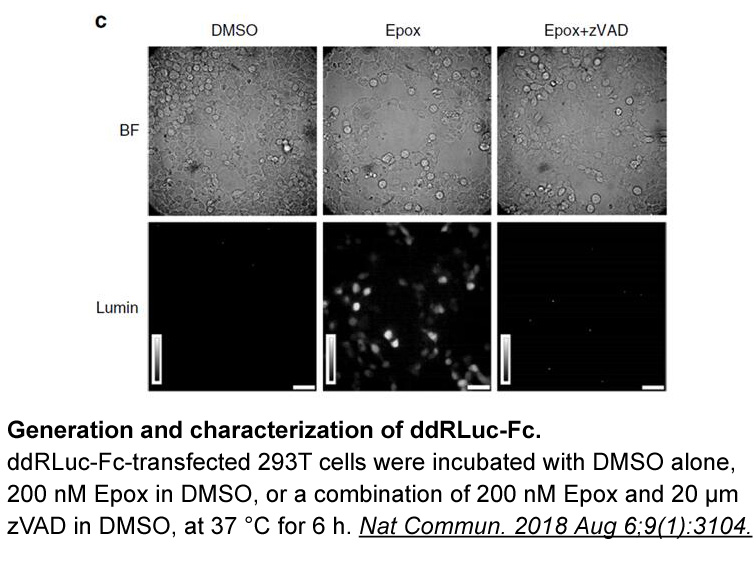
Ligand-independent activation of neuronal nuclear estrogen receptors may also continue to occur in absence of ovarian estrogens. AF-1 requires intracellular kinase cascade-dependent phosphorylation of specific residues in the A/B domain of nuclear estrogen receptors (Le Goff et al., 1994; Kato et al
-
In the present study promoting bile acid
2020-03-03
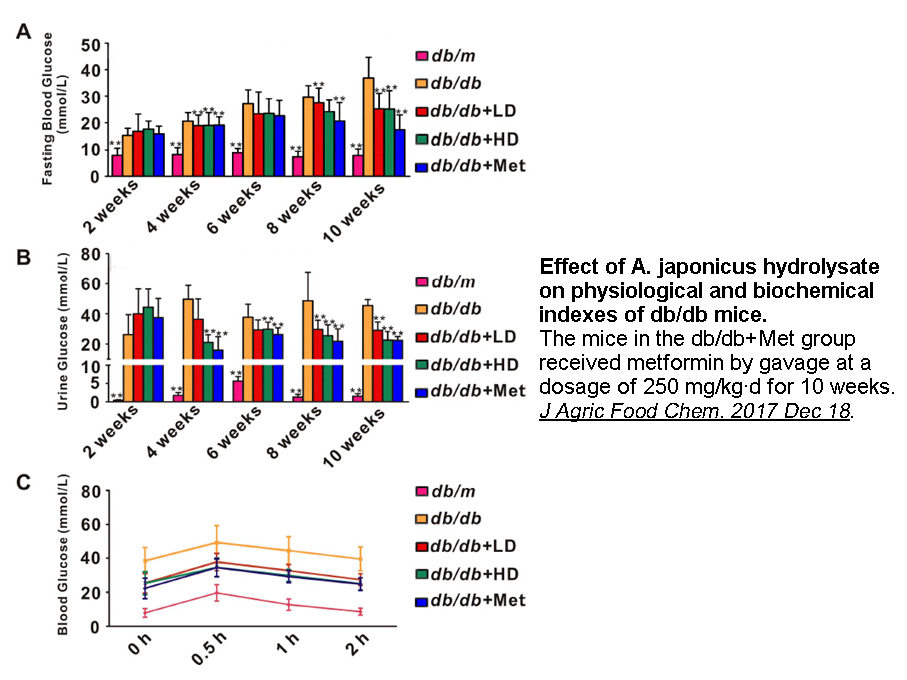
In the present study, promoting bile Thymidine mg synthesis by activating EP4 receptors was shown to exert protection against hepatic steatosis. This finding may be relevant for treatment of non-alcoholic fatty liver disease, a major cause of liver disease and prominent indication for liver transpla
-
br Expression data suggest involvement
2020-03-03
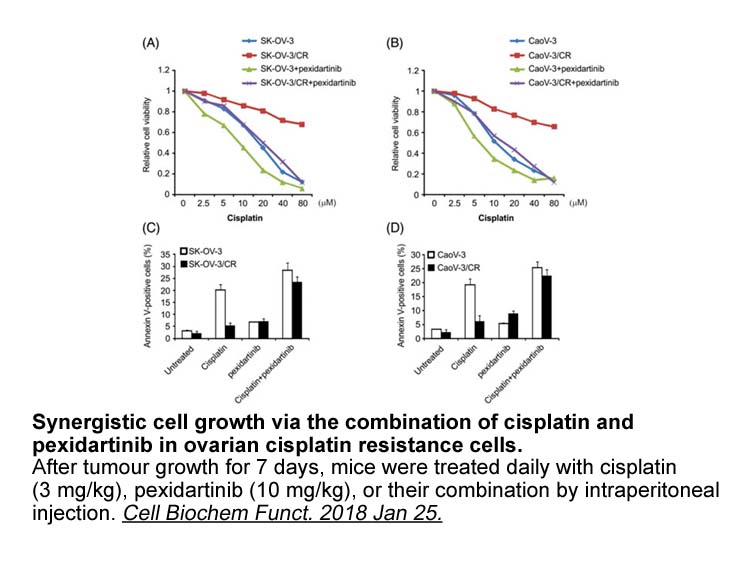
Expression data suggest involvement of additional TRIMs in heart function Given the complexity of the cardiac function, involved molecular pathways and processes, and the fact that only a few of the TRIMs have thus far been shown to have a cardiac role, we hypothesized that there would be more TR
-
Clindamycin HCl The collagen binding membrane proteins disco
2020-03-03
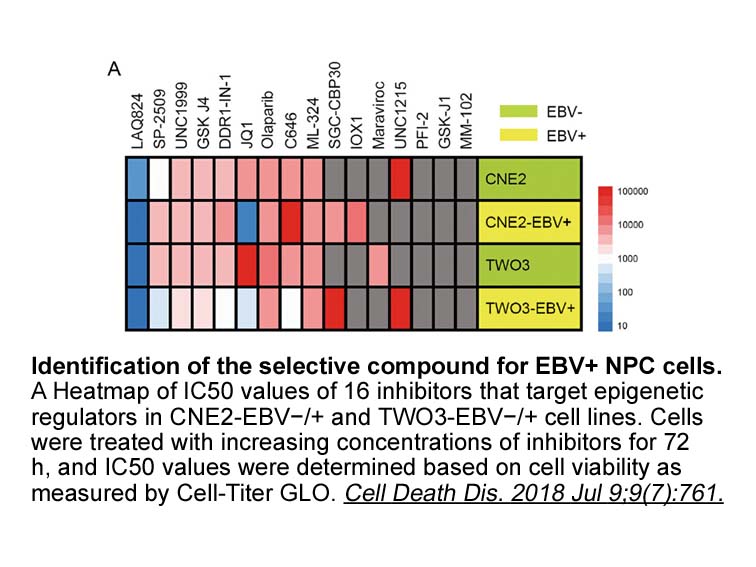
The collagen-binding membrane proteins, discoidin domain receptors 1 and 2 (DDR1 and DDR2) belong to the family of receptor tyrosine kinase and are expressed in a variety of mammalian cells.7, 8 These transmembrane glycoproteins (∼125 kDa) have been found to be over-expressed or atypically expressed
-
Although it is believed that CYP induction is regulated i
2020-03-03
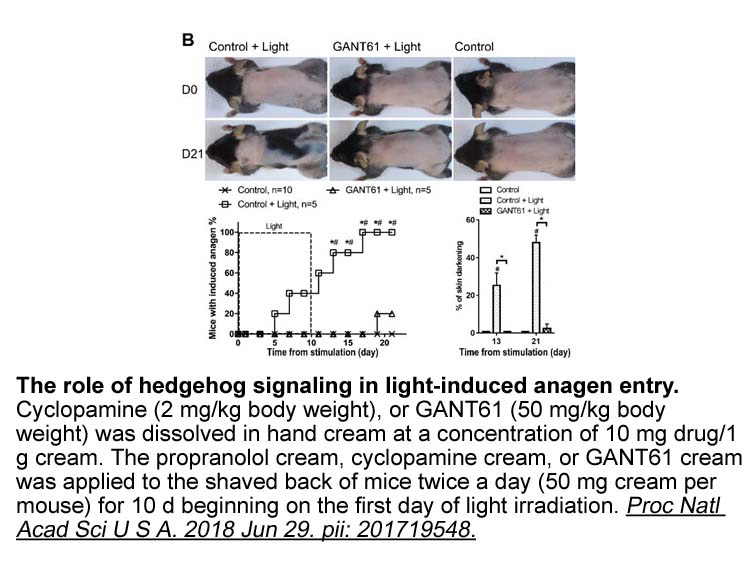
Although it is believed that CYP induction is regulated in humans in principle in the same fashion as in animals, some species differences in CYP3A enzymes induction were observed. Rifampicin is known to be a potent inducer of CYP3A4 in human hepatocytes, whereas pregnenolone-16α-carbonitrile (PCN)
-
br Acknowledgments This study was
2020-03-03
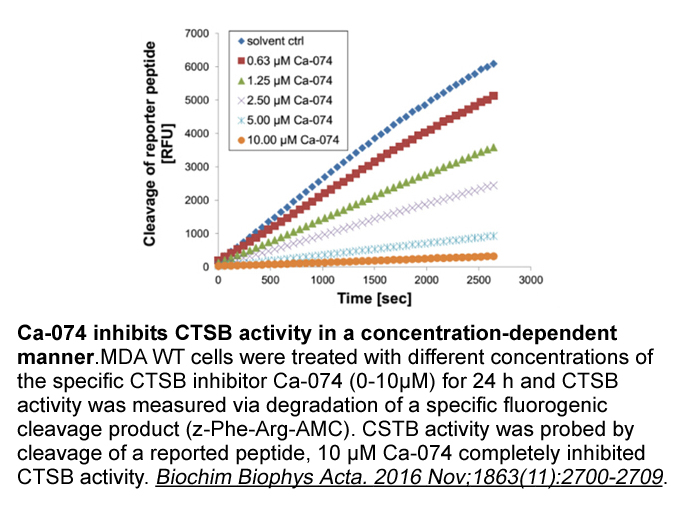
Acknowledgments This study was supported by grants from the Spanish Ministry of Economy and CompetitivenessPI10/00387, PI12/01087, PI12/01703, IPT-2011-0817-010000, and RIC Red de Investigación Cardiovascular (RIC)RD12/0042/0055. RIC is an initiative of Instituto de Salud Carlos III (ISCIII), Spa
-
Despite its significance in tumor
2020-03-03
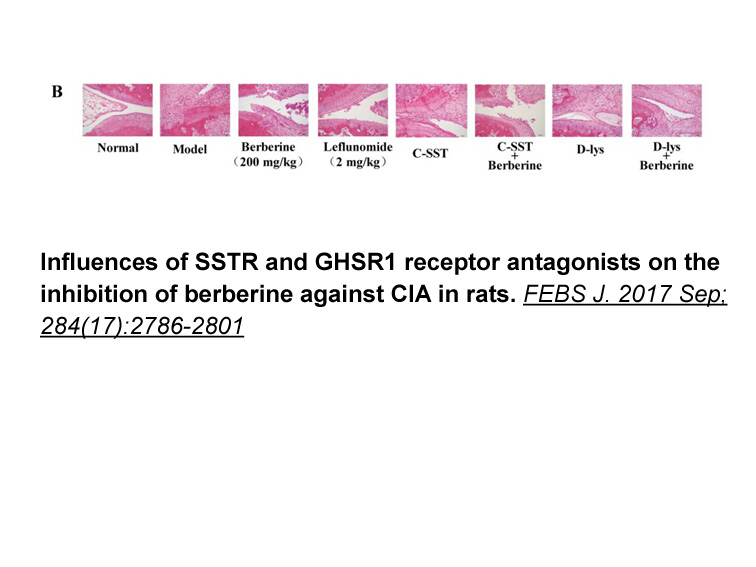
Despite its significance in tumor suppression, the molecular mechanism by which DAPK is regulated and its interplay with other tumor suppressors and oncoproteins have not been completely unraveled. Although primarily regulated by CaM binding (Cohen et al., 1997), DAPK activity can also be modulated
-
It has been reported that Eph
2020-03-03
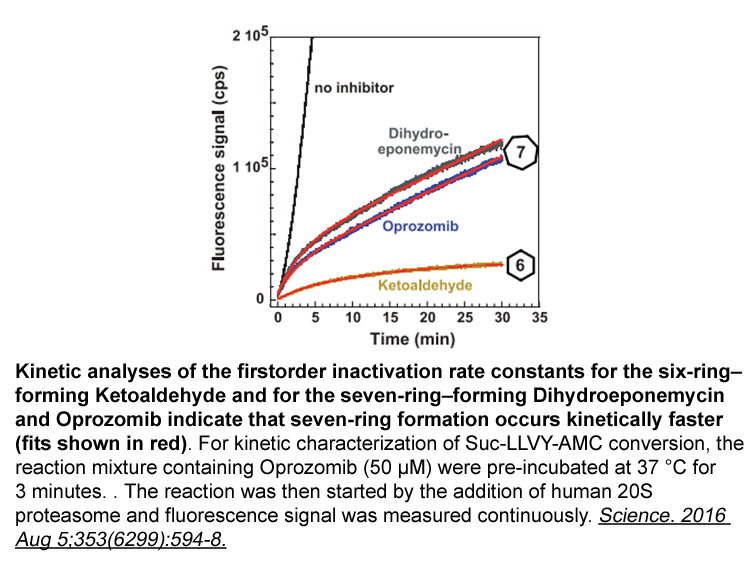
It has been reported that Eph/Ephrin are involved in the regulation of the tumor angiogenesis [10], [11], [12]. The distinct and specific involvement of 10cl in ml and veins in tumor angiogenesis is unclear. EphrinB2 is expressed in arteries and its receptor EphB4 is expressed in veins; these molecu
-
The COMT gene maps to chromosome q Grossman et
2020-03-02
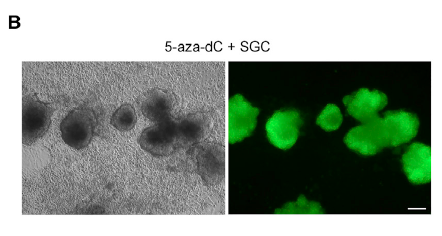
The COMT gene maps to chromosome 22q11.2 (Grossman et al., 1992) and has two protein isoforms. The differences between S-COMT and longer MB-COMT are in the N-termini, which use alternative translation initiation sites and promoters. These two isoforms display different affinity and capacity for COMT
-
As plants can only take up P in an
2020-03-02

As plants can only take up P in an inorganic orthophosphate form, it was expected that the proportion of orthophosphate P in the OA would be a good indication of the availability of the P in the OA. While the P speciation of the COMP sample could not be determined by deconvolution due to the broadne
-
The aim of this paper is to study the
2020-03-02
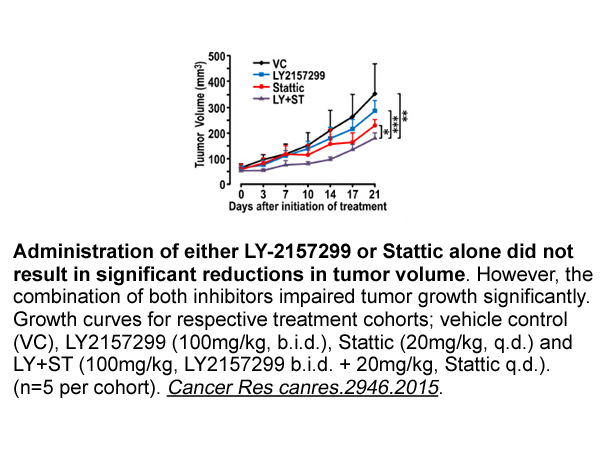
The aim of this paper is to study the long-term socioeconomic impacts of local heat entrepreneurship from 2000 to 2016. The analysis focuses on impacts of the biomass-based district heat production on employment and income in a small peripheral community, called Eno, located in North Karelia, Finlan
-
Thus the understanding of the various mechanisms of
2020-03-02
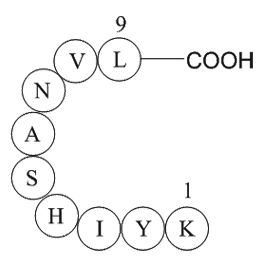
Thus, the understanding of the various mechanisms of action of estrogen and SERMs is an important medical challenge and could help to develop an “ideal” SERM, preserving the beneficial effects of estrogen in the bone and urogenital system, and reducing the unwanted side effects, mainly increased ris
-
With respect to the muscle
2020-03-02
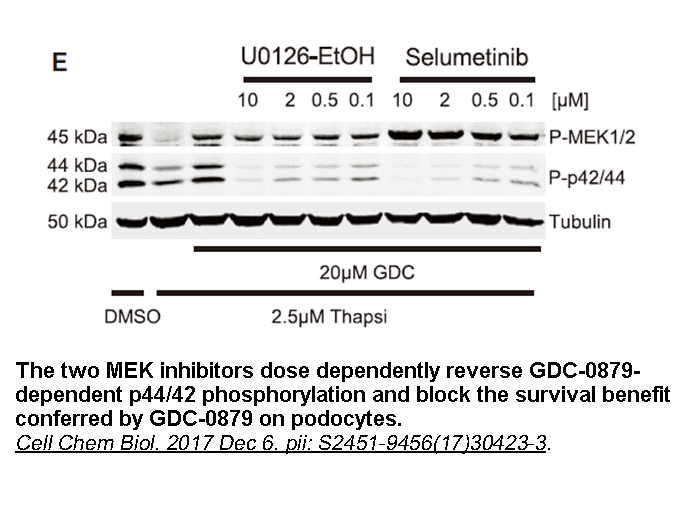
With respect to the muscle compartment, only low protein expression of ASB9 has been detected in healthy human skeletal muscle [as reported in the Human Protein Atlas (HPA)], whereas high levels of Asb5 protein expression are detected in mammalian skeletal muscle, which appears to be important in th
-
br Acetylcholinesterase and cholinergic signaling
2020-03-02
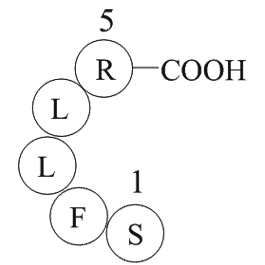
Acetylcholinesterase and cholinergic signaling The concept of a synapse between a neuron and an innervated cell, and the receptors that mediated their interaction, was developed by Bernard, Ehrlich, Sherrington, Langley and others (see [7], [8], [9]. It was long debated whether transmission of ne
-
Plants Cp are widely distributed in the plant kingdom and
2020-03-02
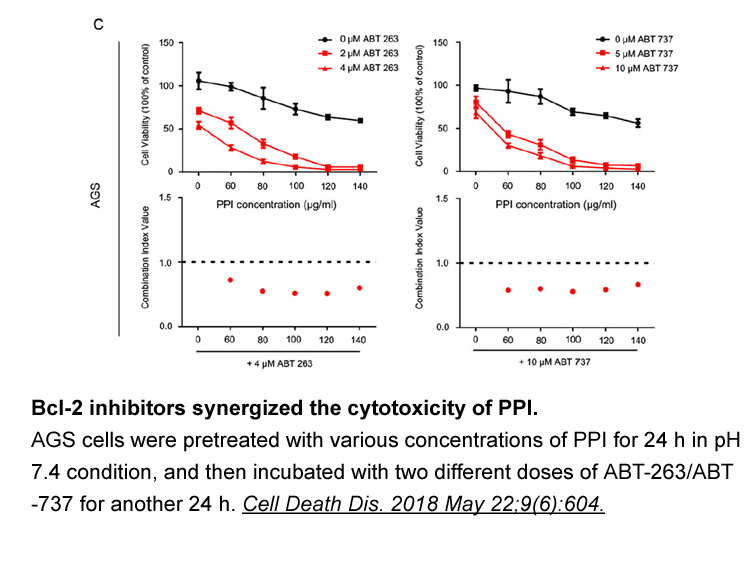
Plants Cp are widely distributed in the plant kingdom and are believed to act as virulence/defense factors for both hosts and pathogens. Cp are also found in plants, animals and bacteria and are known to be virulence factors involved in bacterial pathogenicity [29]. Further, Cp are involved in pepti
16128 records 902/1076 page Previous Next First page 上5页 901902903904905 下5页 Last page